Trump-Hater Bill Maher Talks ’60 Minutes’ Change Up
The fallout from CBS News’ decision to remove longtime 60 Minutes correspondent Scott Pelley continues to spark debate, but comedian and television host Bill Maher says critics are looking in the wrong direction.
During a recent episode of HBO’s Real Time with Bill Maher, the veteran host dismissed claims that President Donald Trump was responsible for the changes taking place at CBS News and argued that leadership transitions often bring major personnel decisions.
The controversy comes as CBS News undergoes significant restructuring under new ownership, fueling accusations from some critics that political pressure is influencing editorial decisions. Maher, however, suggested the situation is far less dramatic than many are claiming.
Maher Offers Rare Defense of CBS Decision
Speaking before a panel that included Sen. Chris Murphy (D-Conn.) and former U.N. Ambassador Susan Rice, Maher raised the subject of the recent shakeup at 60 Minutes and quickly made his position clear.
“I’m for it,” Maher said.
Pelley’s departure followed reports of a heated confrontation with newly installed 60 Minutes executive producer Nick Bilton. According to multiple reports, Pelley questioned Bilton’s qualifications during a staff meeting and sharply criticized members of CBS leadership.
For Maher, the explanation is simple: new management often brings new leadership.
“Companies Change Hands”
Maher argued that personnel changes are a normal part of corporate transitions and questioned why so many observers immediately connected the decision to politics.
“Companies change hands, people bring in their own people,” Maher said.
The longtime host also pushed back against what he described as a growing tendency to interpret every major business decision through a partisan lens.
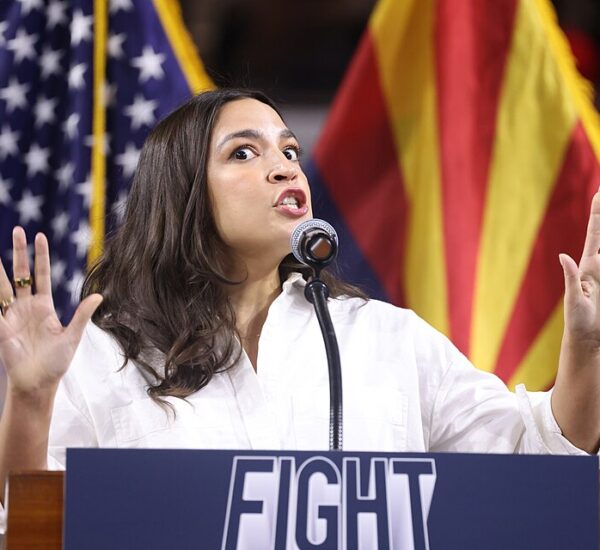
His comments stood in sharp contrast to those made by Murphy, who warned that Trump’s influence over major media organizations is expanding.
Debate Erupts Over Media Independence
Murphy argued that Trump’s allies are gaining greater influence within major media companies and suggested that news organizations could face pressure to soften criticism of the administration.
While acknowledging that CBS has not become a pro-Trump outlet, Murphy claimed the president would prefer leadership teams that are less hostile to his agenda.
Maher challenged that characterization, suggesting critics may be overstating the evidence.
The exchange highlighted a growing national debate over media independence, corporate ownership, and whether political considerations are increasingly shaping newsroom decisions.
CBS Undergoing Major Transformation
Pelley’s exit is just one part of a broader overhaul taking place at CBS News.
Under Paramount Skydance owner David Ellison, the network has implemented sweeping leadership changes designed to reshape its future direction.
Journalist Bari Weiss has been tasked with helping lead that transformation, including selecting executives who share the network’s evolving vision.
According to reports, Weiss told employees that Pelley’s departure stemmed from a breakdown of trust rather than political considerations.
She reportedly emphasized that successful journalism depends on professional respect and accountability inside the newsroom.
Trump Celebrates Pelley Departure
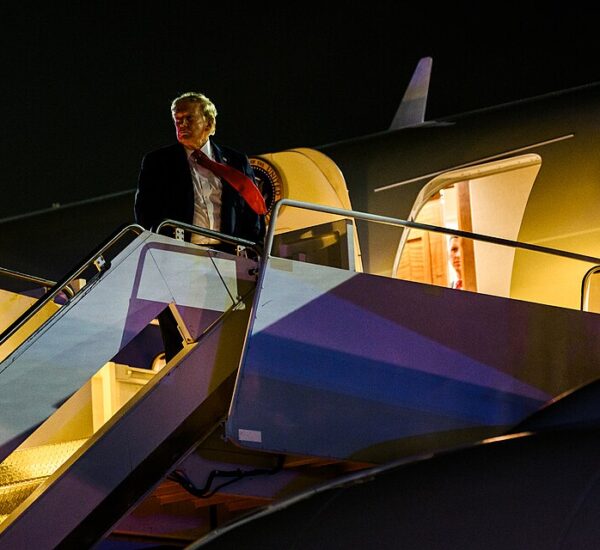
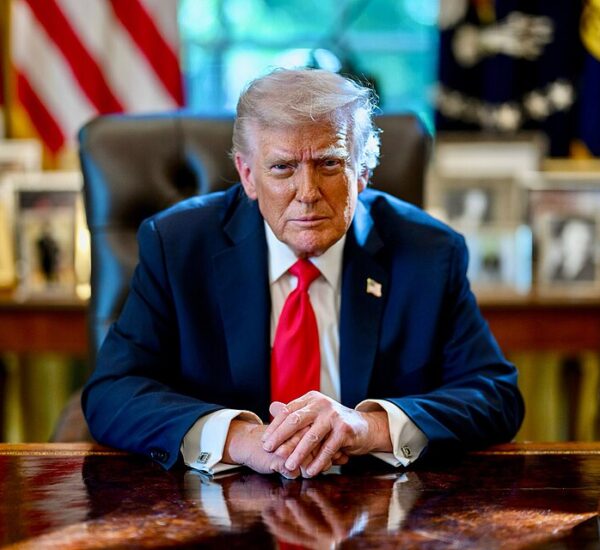
President Trump reacted favorably to the news of Pelley’s removal, offering sharp criticism of the veteran journalist during a recent interview.
Trump has frequently accused major media outlets of unfair coverage and has often argued that mainstream news organizations operate with political bias.
His response only added fuel to an already heated debate surrounding CBS and its future direction.
New Questions About the Future of Network News
The controversy arrives at a time when trust in traditional media remains near historic lows and Americans increasingly question whether news organizations can remain independent from political and corporate influence.
For supporters of the CBS overhaul, the changes represent a necessary effort to rebuild credibility and accountability.
For critics, they raise concerns about who ultimately controls the flow of information.
What remains clear is that the battle over media influence, newsroom leadership, and public trust is far from over—and the debate surrounding Scott Pelley’s departure is unlikely to fade anytime soon.