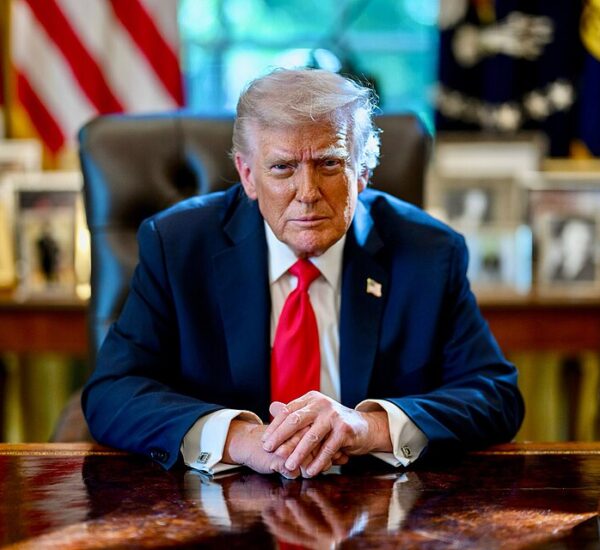
Trump Faces GOP Resistance
President Donald Trump remains the dominant force in Republican politics, but a growing number of GOP lawmakers are beginning to show signs of independence as election season approaches.
After years of near-unified support, several Republicans in Congress have recently broken with the president on major issues, including foreign policy, government spending, surveillance powers, and funding priorities.
The developments have sparked new questions about whether some lawmakers are becoming more willing to put voter concerns ahead of party loyalty as the 2026 midterm elections draw closer.
While few expect a full-scale rebellion against Trump, the recent disagreements highlight growing tensions inside the Republican Party that could shape the final months before Election Day.
Republicans Challenge Trump On Multiple Fronts
Over the past week alone, Republican lawmakers have opposed several key White House priorities.
Some Republicans voiced concerns about continued military involvement involving Iran. Others pushed back against funding tied to a proposed White House ballroom project and raised questions about a controversial $1.8 billion government fund.
The House also approved legislation providing additional aid to Ukraine while increasing sanctions on Russia despite opposition from the administration. The measure is expected to face significant hurdles if it reaches President Trump’s desk.
The votes represent some of the most visible examples of Republican lawmakers distancing themselves from the White House in recent months.
Election-Year Pressure Is Changing Washington
Many political observers believe the shift is being driven by the approaching elections.
Republican lawmakers facing competitive races are increasingly focused on the priorities of voters back home, particularly issues such as inflation, border security, government spending, and national security.
Senator Thom Tillis suggested that lawmakers naturally become more responsive to constituents as Election Day gets closer.
As a result, some Republicans appear more willing to cast independent votes even when those votes conflict with the president’s position.
Democrats Remain Skeptical
Despite the recent disagreements, Democrats argue that Trump’s influence over the Republican Party remains extraordinarily strong.
They point out that many Republicans who openly challenge Trump have already faced political consequences or are no longer seeking reelection.
White House officials have similarly dismissed reports of major divisions, describing the disagreements as routine election-year politics rather than evidence of a serious fracture within the party.
Growing Frustration Behind The Scenes
Several lawmakers and congressional aides have reported increasing frustration behind closed doors.
Some Republicans were unhappy after Trump opposed the reelection efforts of certain GOP senators. Others expressed concern that unexpected White House announcements complicated efforts to advance important legislation.
Those frustrations intensified during negotiations over a major immigration enforcement package, creating one of the most difficult periods for Republican unity this year.
Trump’s Next Major Test
The next challenge could come during future confirmation battles in the Senate.
Several Republican senators have already indicated they will closely examine future Trump nominees, particularly for high-profile positions involving national security and law enforcement.
Their willingness to ask tougher questions could become an important test of how much influence Trump continues to hold over lawmakers in Washington.
The Bottom Line
President Trump remains the undisputed leader of the Republican Party, but recent votes suggest some lawmakers are becoming more comfortable charting their own course.
As the 2026 elections approach, Republicans facing pressure from voters may increasingly balance support for Trump with the concerns of their constituents.
Whether these disagreements remain isolated incidents or grow into a larger challenge for the White House could become one of the biggest political stories to watch in the months ahead.