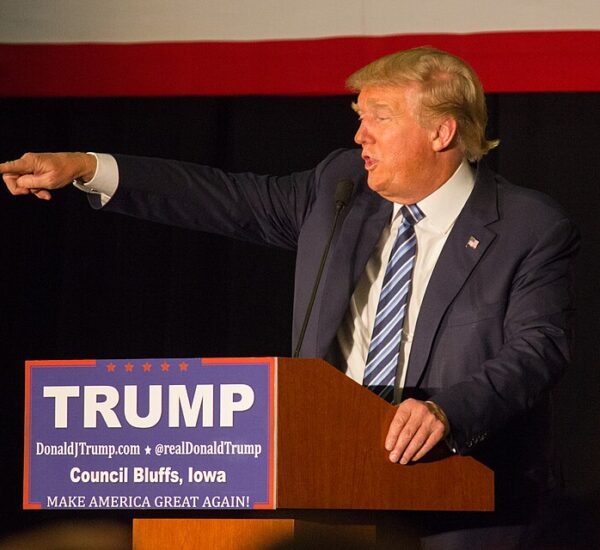
House Curbs Trump’s War Powers
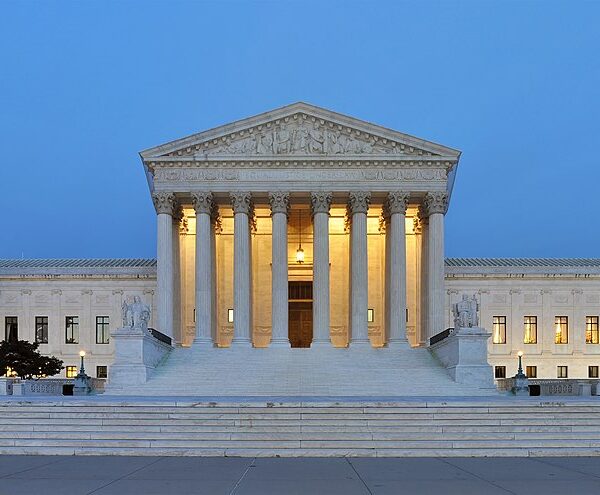
President Donald Trump faced a significant political setback Wednesday when the House of Representatives approved a measure aimed at limiting U.S. military involvement in Iran, highlighting growing concerns in Washington over the cost, duration, and consequences of the conflict.
The vote marked one of the strongest congressional challenges yet to Trump’s handling of the Iran war, with several Republicans breaking ranks and joining Democrats to support the resolution.
As the conflict enters its third month, many lawmakers are raising questions about soaring military expenses, rising fuel prices, and whether America’s interests are best served by deeper involvement in the Middle East.
Republicans Join Democrats in Rare Challenge to White House
The resolution passed by a narrow 215-208 margin, with four Republicans siding with Democrats despite strong opposition from the White House.
House Speaker Mike Johnson had previously attempted to delay the vote, recognizing that support for the measure was growing. However, concerns about the war’s financial burden and long-term objectives have continued to spread among lawmakers from both parties.
While the measure faces major hurdles before becoming law, the vote sends a clear message that opposition to continued military action is expanding on Capitol Hill.
Taxpayers Feeling the Impact
Supporters of the resolution argue that the conflict has already imposed substantial costs on American taxpayers.
Beyond military spending, many Americans have experienced higher gasoline prices as instability in the Middle East disrupts global energy markets.
For retirees, working families, and those living on fixed incomes, rising fuel and transportation costs have added another layer of financial pressure at a time when inflation remains a major concern.
Why the Strait of Hormuz Matters
A key concern for policymakers is the Strait of Hormuz, one of the world’s most important shipping routes for oil and natural gas.
Any disruption in the region can quickly affect energy prices worldwide, including at gas stations across the United States.
The Trump administration has been working with allies to secure commercial shipping lanes and restore stability to global markets.
Speaker Johnson said President Trump remains focused on reopening critical trade routes and protecting American economic interests.
Can a Ceasefire Hold?
Although a ceasefire was announced earlier this year, military tensions remain high.
Negotiations aimed at reaching a permanent settlement have moved slowly, while broader instability across the region continues to complicate diplomatic efforts.
Recent clashes involving Iran-backed groups have increased concerns that the conflict could expand further if a lasting agreement is not reached.
Senate Could Become Next Battleground
The House vote does not immediately end military operations, but it shifts attention to the Senate, where a similar effort has already attracted bipartisan support.
Several Republican senators previously joined Democrats in backing a war powers measure, signaling that concerns about the conflict extend beyond the House.
Whether the Senate ultimately approves a similar resolution remains uncertain, but the issue is expected to remain at the center of Washington’s debate in the weeks ahead.
Rubio Warns Against Limiting U.S. Leverage
Secretary of State Marco Rubio cautioned lawmakers that restricting presidential military authority could weaken America’s negotiating position.
According to Rubio, Iranian leaders may view congressional action as evidence that the United States is unwilling or unable to respond forcefully if diplomatic efforts fail.
Supporters of the administration argue that maintaining military leverage is essential to achieving a favorable outcome and protecting American interests abroad.
The Bigger Debate Over America First Priorities
The dispute has also reignited a broader conversation about America’s role in overseas conflicts.
Many voters supported President Trump because of his promises to reduce foreign entanglements, strengthen border security, rebuild the economy, and focus on domestic priorities.
As the Iran conflict continues, lawmakers are increasingly debating whether current policies align with those America First goals.
For now, Wednesday’s vote demonstrates that questions about war spending, national security, energy prices, and constitutional authority are unlikely to disappear anytime soon.