Voted Out Republican Snaps On Trump
As health care costs continue climbing across the country, Sen. Bill Cassidy (R-La.) is urging President Donald Trump to take a more active role in tackling one of the biggest financial burdens facing American families: medical debt.
During an impassioned speech on the Senate floor Wednesday, Cassidy warned that rising medical expenses are pushing millions of Americans deeper into debt and making it harder for families, retirees, and small businesses to stay financially secure.
The Louisiana Republican, who is also a physician, pointed to the growing impact of health care costs on household budgets and said Washington cannot afford to ignore the issue.
Medical Bills Continue to Strain Household Finances
According to Cassidy, medical debt remains one of the leading contributors to personal financial hardship in the United States.
With health insurance premiums, prescription drug costs, deductibles, and out-of-pocket expenses continuing to rise, many Americans are relying on credit cards and loans to pay for necessary medical treatment.
That debt often comes with high interest rates, making an already difficult situation even worse.
Cassidy argued that the problem is affecting Americans across income levels, from working families to retirees living on fixed incomes.
Cassidy Delivers Direct Message to President Trump
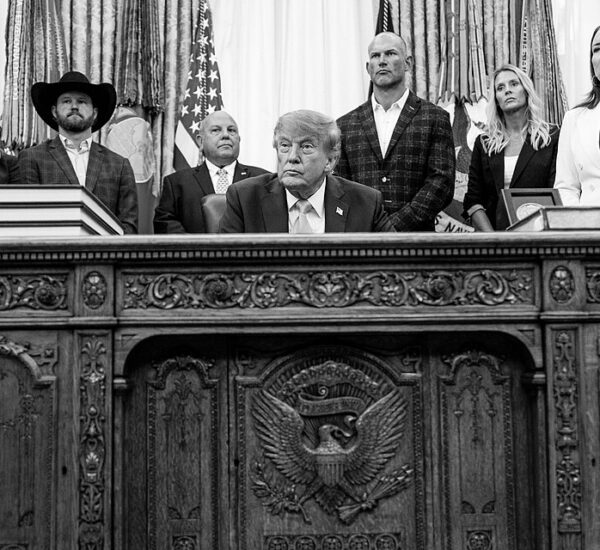
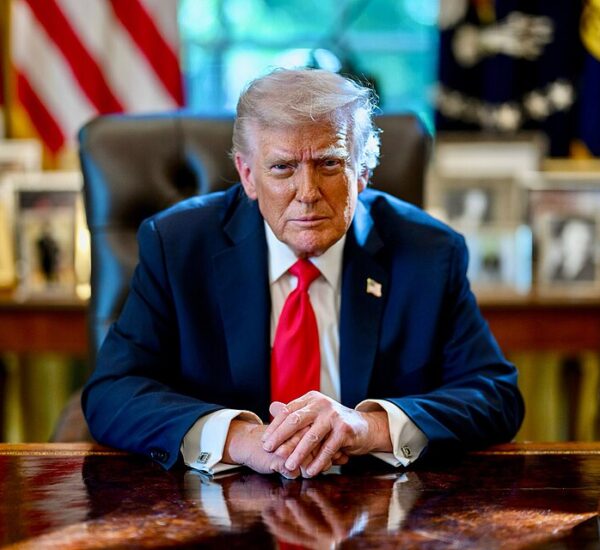
In one of the most notable moments of his speech, Cassidy paused to address President Trump directly.
“Mr. President Trump, get engaged,” the senator said as he called for greater White House involvement in efforts to lower health care costs.
Cassidy argued that meaningful reform will require cooperation between Congress and the executive branch. He also publicly invited Trump to meet with him and discuss potential solutions.
“It’s got to be something that we in Congress do, but we can only get something done if the executive branch engages,” Cassidy said.
Political Differences Put Aside for Common Goal
The appeal comes despite recent disagreements between Cassidy and the Trump administration on several health policy issues.
Cassidy previously questioned the nomination of Casey Means for surgeon general and has disagreed with some health policy decisions involving Health and Human Services Secretary Robert F. Kennedy Jr.
Those differences contributed to a political rift that eventually led Trump to endorse a Republican primary challenger against the Louisiana senator.
Still, Cassidy emphasized that lowering costs for patients should rise above political disagreements.
“We may have differences,” Cassidy said. “But I have no difference with anyone who wants to truly help the American people.”
Americans Feeling the Impact of Rising Health Care Costs
Holding up a credit card during his remarks, Cassidy highlighted the reality facing many households that are struggling to cover unexpected medical expenses.
He noted that many families are paying interest rates exceeding 20 percent while carrying medical-related debt.
The senator argued that the burden extends beyond patients themselves.
Employers, especially small businesses, are also facing rising health insurance costs that make it more difficult to increase wages, expand operations, or hire additional workers.
According to Cassidy, higher health care spending is consuming resources that could otherwise go toward employee paychecks and economic growth.
New Proposal Focuses on Patients Instead of Insurance Companies
Earlier this year, Cassidy introduced what he calls the Money and Value for Patients (MVP) Agenda.
The proposal seeks to give consumers greater control over health care spending while directing more resources toward patients rather than insurance companies.
Among its goals are expanding access to lower-cost prescription medications through TrumpRx and increasing transparency across the health care system.
Cassidy argues that empowering patients and encouraging competition could help lower costs while improving quality of care.
Trump Has Already Proposed Health Care Reforms
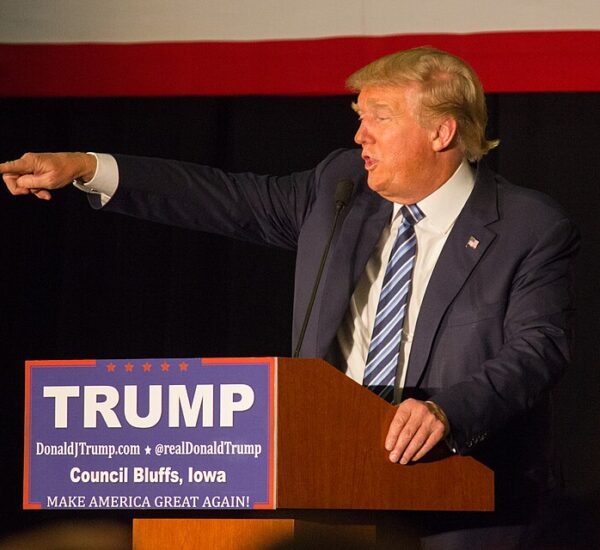
President Trump has also made health care affordability a priority during his current term.
In January, the president unveiled “The Great Healthcare Plan,” a framework aimed at lowering prescription drug prices, expanding access to over-the-counter medications, and directing more assistance to consumers rather than large insurance providers.
The proposal reflects Trump’s broader effort to reduce costs for patients while increasing choice and competition throughout the health care marketplace.
Although Cassidy did not mention the plan during his Senate speech, both proposals share a common objective: making health care more affordable for American families.
Why Health Care Costs Remain a Top Voter Concern
Health care affordability consistently ranks among the top concerns for voters, particularly seniors, retirees, and middle-class families dealing with inflation and rising living expenses.
As lawmakers continue debating solutions, pressure is growing on Washington to address medical debt, prescription drug prices, and health insurance costs before those burdens become even heavier for American households.
Whether Congress and the White House can find common ground remains to be seen, but Cassidy made one thing clear: he believes the conversation needs to start now.