Blue States Hit Trump With Lawsuit
A new legal battle is brewing over America’s energy future as seven Democrat-led states challenge a Trump administration agreement that shifts billions of dollars away from offshore wind development and toward domestic oil and natural gas production.
The lawsuit, filed by New York, Connecticut, Maine, Massachusetts, New Jersey, Rhode Island, and Vermont, seeks to reverse a deal involving French energy company TotalEnergies and the federal government.
At issue is the administration’s decision to cancel a major offshore wind lease that would have allowed TotalEnergies to develop wind energy projects off the East Coast.
Trump Administration Backs Traditional Energy Investment
Earlier this year, the Interior Department announced that TotalEnergies agreed to give up its rights to build offshore wind farms near New York and the Carolinas.
Instead, the company committed approximately $1 billion toward expanding oil, natural gas, and liquefied natural gas production in the United States.
Under the agreement, the federal government would reimburse TotalEnergies for certain offshore wind lease costs, up to the amount originally paid for those leases.
Supporters of the deal argue it will strengthen domestic energy production, improve energy security, and help ensure reliable power for American consumers.
Blue States Claim Wind Projects Were Critical
The states challenging the agreement argue that the canceled offshore wind project was important to future electricity generation and long-term energy planning.
According to the lawsuit, New York and New Jersey expected to receive power from the proposed wind development. State officials claim the project would have supported grid reliability, created jobs, and advanced renewable energy goals.
New York Governor Kathy Hochul criticized the agreement, arguing that it discourages offshore wind investment while encouraging additional fossil fuel development.
The states are asking the courts to restore the lease and allow the offshore wind project to move forward.
Interior Department Defends Taxpayer Protection
Federal officials strongly defended the agreement and pushed back against criticism from Democratic leaders.
An Interior Department spokesperson said previous offshore wind policies directed billions of dollars toward projects that the administration believes were expensive, unreliable, and financially risky for taxpayers.
The administration also emphasized that the agreement was voluntary and received approval through the appropriate legal review process.
Officials argue that their energy strategy focuses on affordable electricity, dependable power generation, and reducing America’s dependence on foreign energy sources.
Part of a Larger Energy Policy Shift
The TotalEnergies agreement is part of a broader effort by the Trump administration to reshape federal energy policy.
Following the deal, the administration announced similar agreements with other companies holding offshore wind development rights.
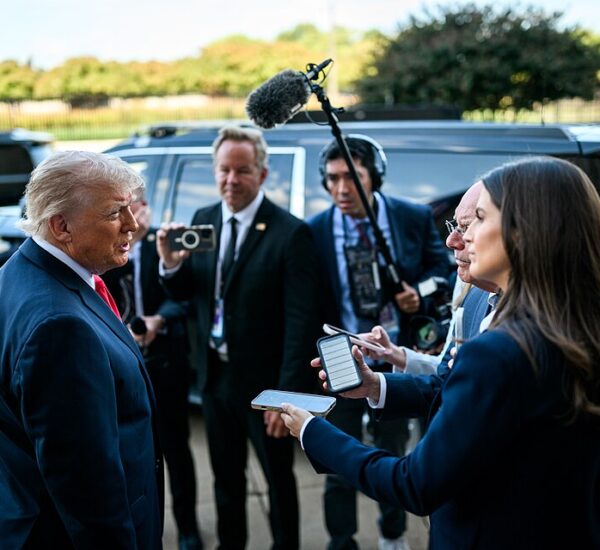
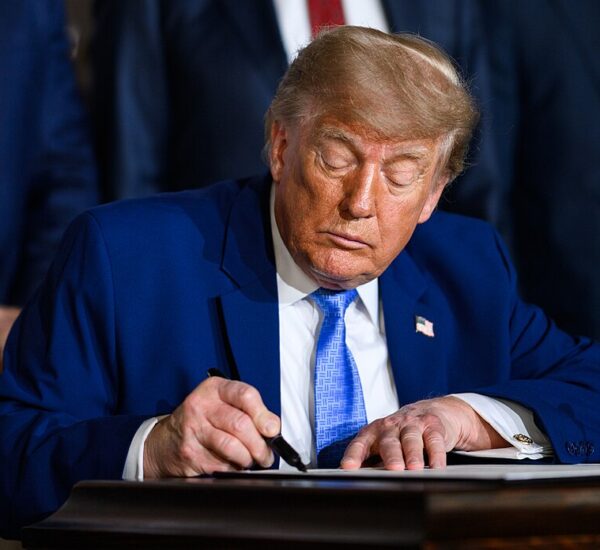
President Trump has long questioned the effectiveness of large-scale wind energy projects and has frequently argued that traditional energy sources remain essential for maintaining a strong and reliable power grid.
Federal agencies have also increased scrutiny of both offshore and onshore renewable energy projects, including wind and solar developments.
Why This Case Matters to American Consumers
While the lawsuit centers on offshore wind leases, the larger debate focuses on issues that directly affect American families: electricity prices, energy reliability, taxpayer spending, and energy independence.
Supporters of the administration’s approach argue that expanding domestic oil and natural gas production can help keep energy costs under control while strengthening national security.
Critics contend that reducing offshore wind development could limit future energy options and slow investment in renewable technologies.
As the court battle moves forward, the outcome could influence the direction of U.S. energy policy for years to come and shape how America balances affordable energy, economic growth, and long-term energy security.